Introduction to Cannabis and ALS
What is ALS?
Amyotrophic Lateral Sclerosis (ALS) is a progressive neurological disease. It affects nerve cells in the brain and spinal cord. Over time, patients lose control of muscle movement. This leads to paralysis and, eventually, difficulty in breathing.
ALS is often called Lou Gehrig’s disease. It’s rare but devastating. There’s currently no cure. Treatments mainly focus on slowing progression and managing symptoms.
Overview of Medical Marijuana
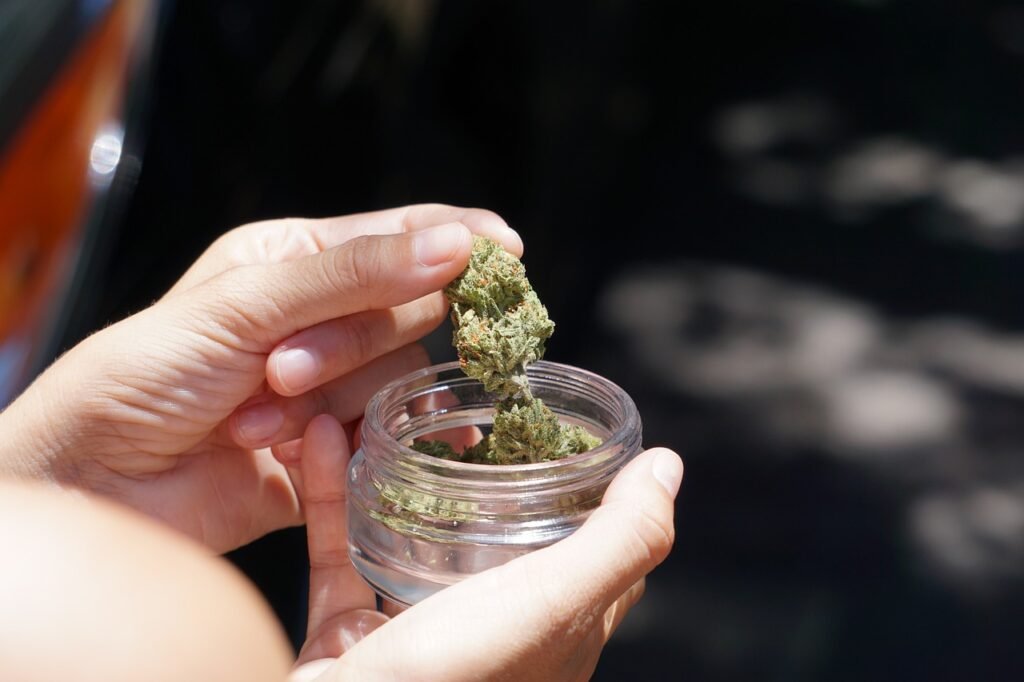
Medical marijuana refers to the use of cannabis plants or their extracts for therapeutic purposes. It contains active compounds called cannabinoids. The two most studied are THC (tetrahydrocannabinol) and CBD (cannabidiol).
In recent years, cannabis has gained attention for managing chronic illnesses. One area of growing interest is Cannabis and ALS: The Role Of Medical Marijuana In Management. Researchers and patients alike are exploring its potential benefits.
Understanding ALS Symptoms and Challenges
Physical Symptoms
ALS symptoms vary but often include:
- Muscle weakness
- Difficulty speaking or swallowing
- Muscle cramps and twitching
- Stiffness (spasticity)
- Breathing issues
As the disease progresses, everyday tasks become harder. Patients often require full-time care.
Emotional and Cognitive Effects
ALS doesn’t just affect the body. It can impact mental health too.
Patients may experience:
- Anxiety
- Depression
- Emotional instability
This combination of physical and emotional challenges makes management complex. That’s where alternative therapies like cannabis come into play.
How Cannabis Interacts with the Body
The Endocannabinoid System Explained
The human body has a built-in system called the endocannabinoid system (ECS). It helps regulate:
- Pain
- Mood
- Appetite
- Sleep
Cannabinoids from cannabis interact with ECS receptors. This interaction may help restore balance in the body.
THC vs CBD
Understanding THC and CBD is crucial:
| Compound | Effects |
|---|---|
| THC | Psychoactive, pain relief, appetite stimulation |
| CBD | Non-psychoactive, anti-inflammatory, calming |
Both play a role in Cannabis and ALS: The Role Of Medical Marijuana In Management, depending on patient needs.
Cannabis and ALS: The Role Of Medical Marijuana In Management
Symptom Relief Potential
Medical marijuana may help manage several ALS symptoms. These include:
- Chronic pain
- Muscle stiffness
- Sleep disturbances
- Appetite loss
Patients often report improved quality of life. While it’s not a cure, it offers meaningful relief.
Neuroprotective Properties
Some studies suggest cannabinoids may protect nerve cells. This is known as neuroprotection.
Although research is ongoing, early findings are promising. Cannabis may slow disease progression in certain cases. However, more evidence is needed to confirm this.
Key Benefits of Cannabis for ALS Patients
Pain Management
Pain is a major concern in ALS. Cannabis can help reduce discomfort by interacting with pain receptors.
Unlike opioids, it has a lower risk of dependency. This makes it an appealing alternative.
Muscle Spasticity Reduction
Muscle stiffness can be debilitating. Cannabis may relax muscles and reduce spasms.
This can improve mobility and comfort.
Appetite Stimulation
ALS patients often struggle with weight loss. THC is known to boost appetite.
Maintaining proper nutrition is essential for disease management.
Sleep Improvement
Sleep disturbances are common in ALS. Cannabis may promote better sleep patterns.
Improved rest can enhance overall well-being.
Risks and Side Effects
Short-Term Risks
Like any treatment, cannabis has side effects:
- Dizziness
- Dry mouth
- Fatigue
- Impaired memory
These effects are usually mild and temporary.
Long-Term Considerations
Long-term use may lead to:
- Tolerance
- Dependence (rare but possible)
- Cognitive changes
It’s important to use cannabis under medical supervision.
Scientific Research and Evidence
Current Studies
Research on Cannabis and ALS: The Role Of Medical Marijuana In Management is still evolving.
Some studies suggest:
- Reduced spasticity
- Improved sleep
- Pain relief
For further reading, visit: https://www.ncbi.nlm.nih.gov/
Limitations of Research
Despite promising results, there are challenges:
- Small sample sizes
- Lack of long-term data
- Limited clinical trials
More robust research is needed to draw firm conclusions.
Legal and Accessibility Considerations
Global Legal Status
Cannabis laws vary widely. Some countries allow medical use, while others prohibit it.
Patients must check local regulations before use.
Access in Medical Settings
In regions where it’s legal, cannabis may be prescribed. Access depends on:
- Medical approval
- Availability of licensed dispensaries
How to Use Medical Marijuana Safely
Dosage Guidelines
Start low and go slow. This is the golden rule.
Dosage depends on:
- Body weight
- Symptom severity
- Tolerance
Always consult a healthcare provider.
Forms of Consumption
Cannabis comes in various forms:
- Oils and tinctures
- Edibles
- Vaporizers
- Capsules
Each has different onset times and effects.
Integrating Cannabis with ALS Treatment Plans
Working with Healthcare Providers
Collaboration is key. Patients should discuss cannabis use with their doctors.
This ensures safe integration with existing treatments.
Complementary Therapies
Cannabis works best alongside other therapies:
- Physical therapy
- Nutritional support
- Medications
A holistic approach yields better outcomes.
❓ FAQs
1. Can cannabis cure ALS?
No, cannabis cannot cure ALS. However, it may help manage symptoms and improve quality of life.
2. Is medical marijuana safe for ALS patients?
When used under medical supervision, it’s generally safe. Side effects are usually mild.
3. What’s the best form of cannabis for ALS?
Oils and tinctures are often preferred due to controlled dosing. However, it depends on individual needs.
4. Does CBD or THC work better for ALS?
Both have benefits. THC helps with appetite and pain, while CBD reduces inflammation and anxiety.
5. Is cannabis legal for ALS treatment?
It depends on your location. Always check local laws before use.
6. Can cannabis slow ALS progression?
Some studies suggest neuroprotective effects, but more research is needed to confirm this.
Conclusion
Cannabis and ALS: The Role Of Medical Marijuana In Management is an evolving field with promising potential. While it’s not a cure, cannabis offers meaningful relief for many symptoms associated with ALS.
From pain management to improved sleep, its benefits are hard to ignore. Still, it’s crucial to approach it responsibly. Medical guidance, proper dosing, and legal awareness are key.
As research continues, cannabis may become a more integral part of ALS care. Until then, it remains a valuable option worth considering for symptom management.
 [contact-form-7 id="167" title="Popup"]