Robert noticed the change subtly at first. He found himself bumping into doorframes and struggling to see the cars in the lane next to him while driving. A trip to the eye doctor confirmed his fears: he had glaucoma. Faced with a strict regimen of daily eye drops and the looming threat of vision loss, Robert began searching for alternative treatments. Like many others, his research quickly led him to a controversial yet widely discussed option: medical cannabis.
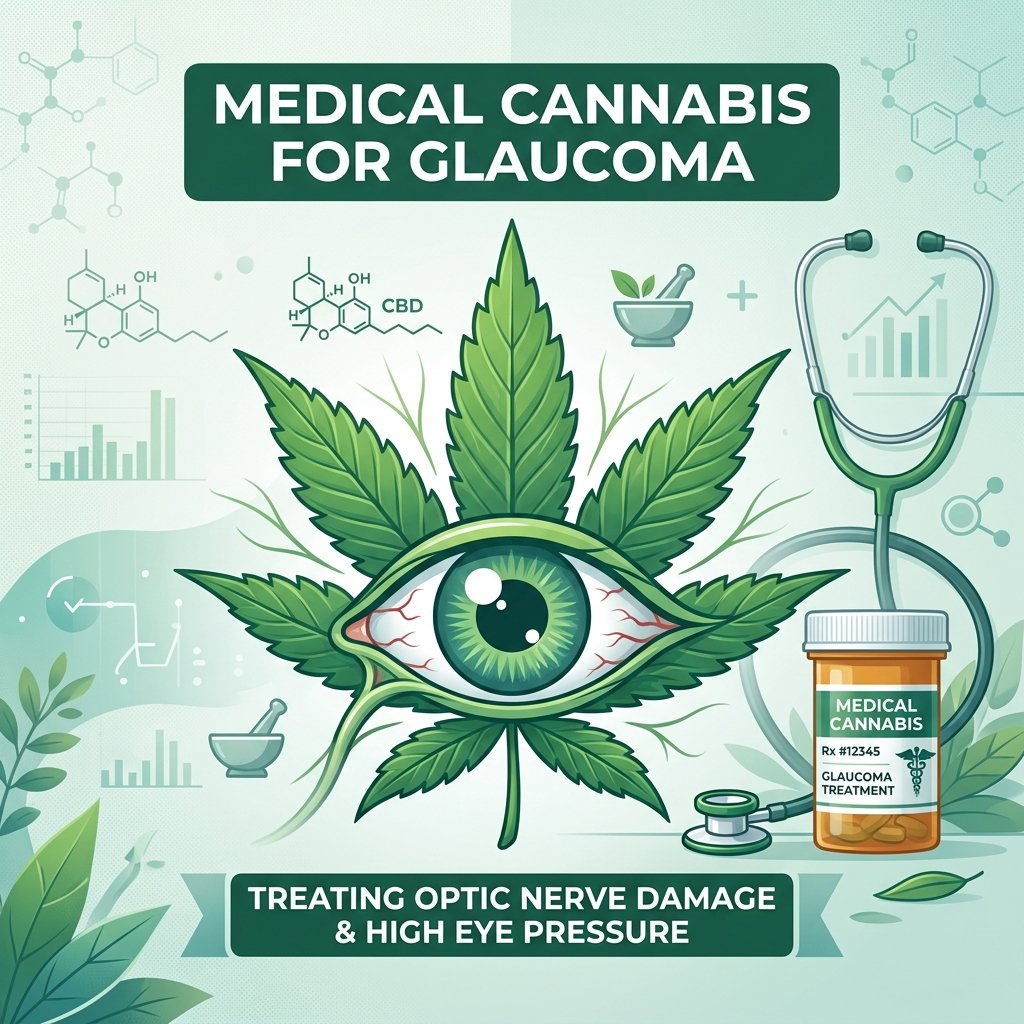
Glaucoma is a complex group of eye conditions that damage the optic nerve, often linked to abnormally high pressure inside the eye. It is a leading cause of blindness for people over the age of 60. For decades, stories have circulated about patients using marijuana to manage their symptoms and preserve their sight. This connection actually dates back to the 1970s, when researchers first noted that smoking cannabis significantly lowered intraocular pressure.
But does the science support the hype? The relationship between marijuana and eye health is far more nuanced than internet forums might suggest. Understanding how this plant interacts with the human body is essential for anyone considering it as part of their health management plan.
This guide explores the mechanisms, benefits, and significant limitations of using medical cannabis for glaucoma. We will break down the science of eye pressure, compare cannabis to traditional medical treatments, and provide actionable insights for patients navigating this challenging diagnosis.
How Cannabis Affects Eye Pressure
To understand how cannabis impacts glaucoma, you first need to understand intraocular pressure (IOP). Your eye constantly produces a fluid called aqueous humor. This fluid nourishes the eye and maintains its shape. Usually, this fluid drains out through a complex network of tissues at the angle where the iris and cornea meet. When this drainage system fails or becomes blocked, fluid builds up. The resulting pressure presses on the delicate optic nerve at the back of the eye, causing irreversible damage over time.
Cannabis contains dozens of active compounds called cannabinoids. The most famous of these are THC (tetrahydrocannabinol) and CBD (cannabidiol). When a person consumes cannabis, these compounds interact with the endocannabinoid system, a complex cell-signaling network found throughout the human body.
Researchers have found a high concentration of cannabinoid receptors—specifically CB1 receptors—in the eye’s tissues. When THC binds to these receptors, it triggers a physiological response that reduces fluid production and increases fluid drainage. The result is a measurable drop in intraocular pressure. Studies consistently show that consuming THC can lower eye pressure by up to 25 percent.
This physiological response sounds like a perfect solution. However, the mechanics of how the body processes cannabinoids create significant hurdles for long-term eye care.
Benefits and Limitations of Cannabis as a Treatment
The conversation around medical marijuana is often polarized. Recognizing the proven benefits alongside the stark medical realities is crucial for patient safety.
The Immediate Benefits
The primary benefit of cannabis for glaucoma patients is its undeniable ability to reduce IOP. For patients experiencing acute spikes in eye pressure, this rapid reduction can offer immense relief.
Furthermore, some early laboratory research suggests that certain cannabinoids might possess neuroprotective properties. This means they could potentially help shield the optic nerve cells from damage, regardless of pressure levels. While this research is still in its infancy and mostly confined to animal studies, it presents an exciting frontier for future glaucoma treatments. Cannabis also provides general pain relief and anti-nausea effects, which can be helpful for patients recovering from conventional glaucoma surgeries.
The Staggering Limitations
Despite the positive effects on IOP, ophthalmologists generally do not recommend cannabis as a primary treatment for glaucoma. The reasons come down to duration and dosage.
The pressure-lowering effect of marijuana is remarkably short-lived. A single dose of THC typically reduces eye pressure for only three to four hours. Glaucoma, however, is a relentless disease that requires around-the-clock pressure management. To maintain safe IOP levels using cannabis alone, a patient would need to consume it six to eight times a day, every single day, including waking up multiple times during the night.
This continuous consumption schedule is highly impractical. It heavily impairs a person’s ability to drive, work, and function normally in daily life. Furthermore, chronic heavy use builds tolerance, meaning patients would continually need higher doses to achieve the same pressure-lowering effects.
Comparison with Traditional Glaucoma Medications
When evaluating any alternative therapy, you must measure it against the standard of care. Modern medicine offers a robust arsenal of treatments designed specifically to halt the progression of glaucoma.
Prescription Eye Drops
The first line of defense usually involves prescription eye drops. Medications like prostaglandins increase the outflow of fluid, while beta-blockers reduce the production of fluid.
- Effectiveness: These drops are highly effective and specifically targeted. A single application can manage eye pressure for 12 to 24 hours.
- Convenience: Applying drops once or twice a day fits easily into a normal routine.
- Systemic impact: Because they are applied locally, eye drops have a much lower risk of causing body-wide side effects compared to inhaling or ingesting cannabis.
Laser Therapy and Surgery
If eye drops fail to control the pressure, doctors may recommend laser trabeculoplasty or traditional filtration surgery. These procedures physically alter the eye’s drainage system to allow fluid to escape more easily. They offer long-term solutions that reduce or eliminate the daily burden of medication.
The Verdict on Comparison
Traditional treatments provide consistent, long-lasting pressure control with a fraction of the systemic impact of cannabis. While prescription drops can cause local irritation, redness, or changes in eyelash growth, they do not cause the cognitive impairment associated with heavy THC use. Medical cannabis may serve as a supplementary option for some, but it simply cannot match the sustained efficacy of conventional ophthalmologic care.
Potential Side Effects and Considerations
If you and your doctor decide to explore medical cannabis as a supplemental treatment, several significant health and lifestyle factors require careful consideration.
Cardiovascular Risks and Optic Nerve Blood Flow
One of the most concerning side effects of THC is its impact on the cardiovascular system. Cannabis usage frequently causes a temporary increase in heart rate (tachycardia) and a subsequent drop in blood pressure (hypotension).
This drop in blood pressure can be highly detrimental to a glaucoma patient. The optic nerve requires a robust, steady supply of blood to survive. If a patient’s systemic blood pressure falls too low, the blood flow to the optic nerve decreases. This reduced circulation can actually accelerate optic nerve damage, entirely negating the benefits of the lowered eye pressure.
Delivery Methods Matter
How you consume cannabis drastically alters its effects and risks.
- Smoking: Smoking provides the fastest relief but introduces harmful toxins and carcinogens into the lungs.
- Edibles: Ingesting cannabis delays the onset of effects by up to two hours, making it incredibly difficult to manage eye pressure consistently.
- Topicals and Eye Drops: Researchers have spent years trying to formulate a cannabis-based eye drop. Unfortunately, THC is highly lipophilic (fat-soluble), making it very difficult to dissolve in water and penetrate the eye’s surface effectively without causing severe irritation.
Lifestyle and Legalities
Operating a vehicle or heavy machinery while under the influence of THC is illegal and dangerous. The continuous dosing required for glaucoma management makes traditional employment and daily commuting nearly impossible. Additionally, while medical cannabis is legal in many regions, it remains a federally controlled substance in several countries, creating barriers to travel and occupational drug testing.
Navigating Your Glaucoma Treatment Journey
The impulse to seek natural, alternative remedies for a chronic, frightening condition like glaucoma is completely understandable. The discovery that cannabis lowers eye pressure was a fascinating medical breakthrough. However, the practical application of this knowledge reveals immense hurdles. The short duration of relief, coupled with significant cognitive and cardiovascular side effects, makes marijuana an inadequate substitute for modern glaucoma treatments.
Your vision is irreplaceable. If you are struggling with your current glaucoma medication due to side effects or cost, the most crucial step you can take is to communicate honestly with your ophthalmologist. There are numerous classes of medications and surgical options available today. Do not abandon your prescribed regimen in favor of alternative treatments without professional medical guidance. By combining the rigorous consistency of modern medicine with open dialogue about your lifestyle needs, you can effectively protect your optic nerve and preserve your sight for the years ahead.
 [contact-form-7 id="167" title="Popup"]